Quick answer. A drain smell almost always comes from a dry or dirty trap, debris built up in the drain, a worn seal or a downpipe that is not venting properly. Start by pouring water into drains you don't use and cleaning traps and grates. If the smell persists, or appears in several flats, the seals and downpipe need checking.
You walk into the bathroom and it smells of sewage, even though it has just been cleaned. You open the window, a while passes and it comes back. It is one of the most common queries and there is almost always a simple explanation. The key is to notice where it smells and when.
Quick diagnosis: where and when it smells
Where and when
Likely cause
Solution
In a little-used bathroom or after a holiday
Dry trap: the water has evaporated
Pour water into all the drains
At the kitchen sink
Grease and debris in the trap
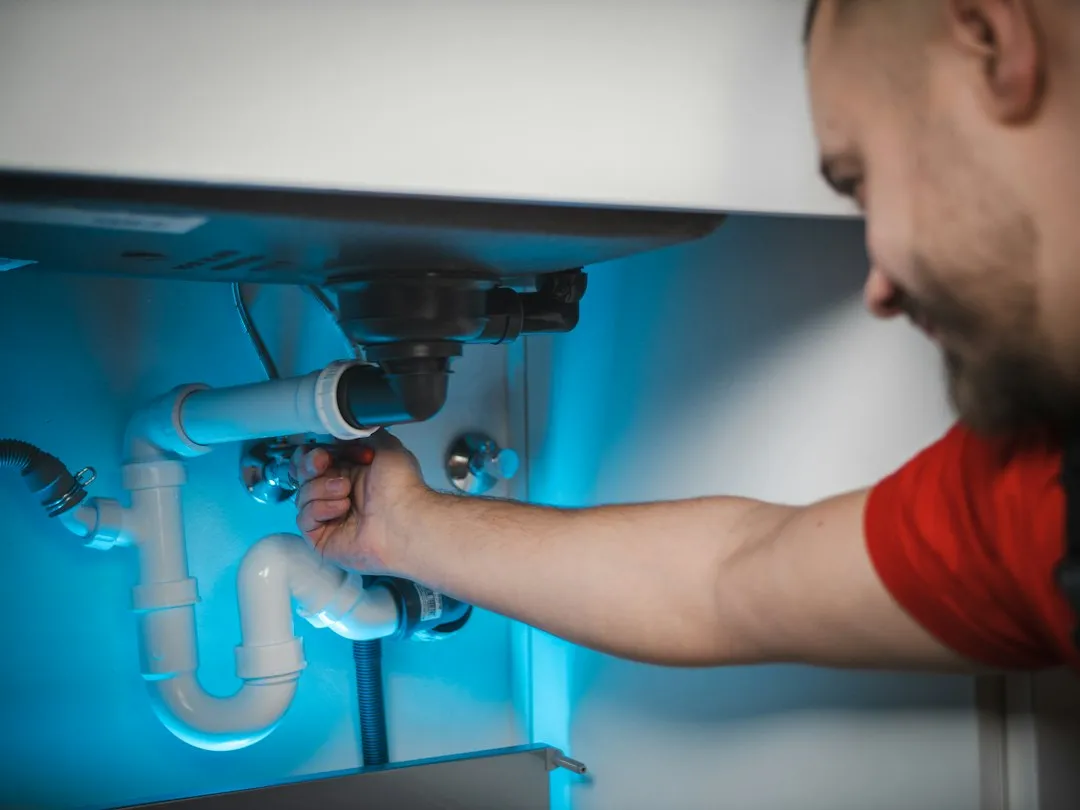
Clean the trap under the sink
Around the toilet
Worn seal at the base
Check and replace the seal
When the neighbours use water, with gurgling
The downpipe is not venting and empties the traps
Check the downpipe and its ventilation
In several homes at once
Problem in the downpipe or sewer pipe
Tell the property manager
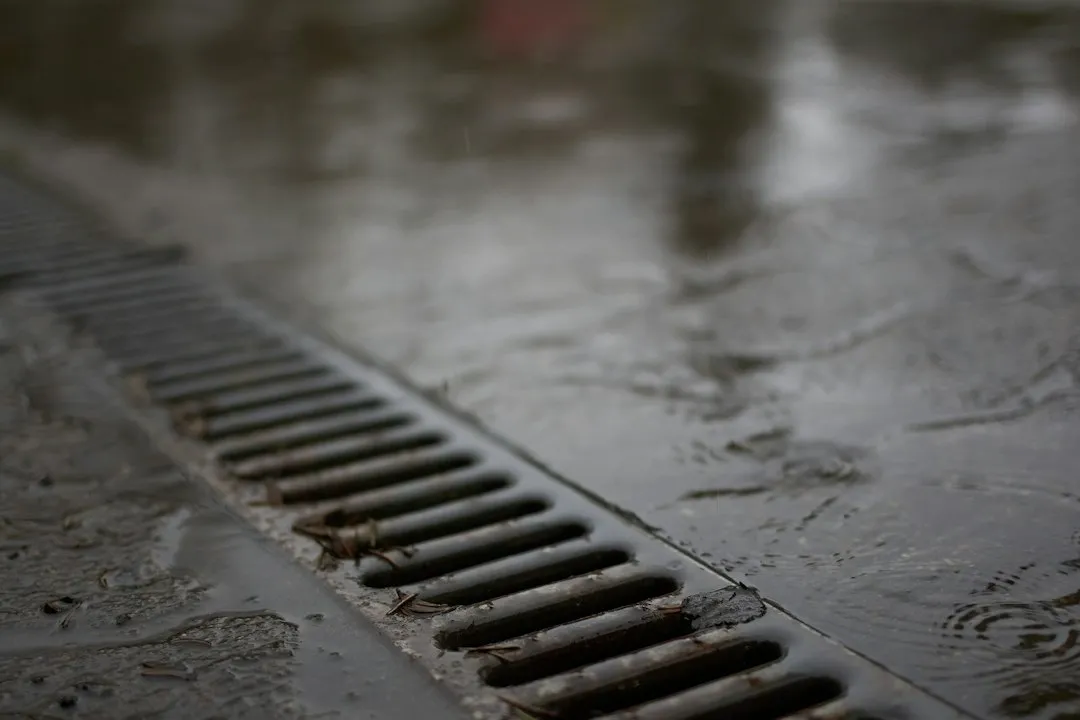
The trap holds a little water that acts as a seal against gases from the sewer. If it empties or gets dirty, the smell comes through.
What you can fix yourself in five minutes
Pour in a bucket of water into showers, bidets and floor drains you don't use often. If the smell goes away, it was a dry trap.
Clean the grates in the shower and basin: hair and soap trap debris that ferments.
Take the trap off the kitchen sink with a bucket underneath and clean it. Grease is the biggest cause of bad smells in the kitchen.
Notice when it comes back: if it coincides with water being used in other flats, the problem is in the downpipe.
Plumber's tip: don't mask the smell with air fresheners or pour bleach down the drain every day. The smell is a warning: if you hide it, the problem is still there.
When to call a plumber
The smell persists after filling and cleaning the traps.
It comes with gurgling, water draining slowly or blockages.
It smells around the toilet or there is damp at its base.
It affects several homes in the building.
In these cases the source is usually in the seals, the pipework or the building's downpipe. If the water is also draining slowly, see our guide on the blocked downpipe.
Frequently asked questions
Is a drain smell dangerous?
It is mainly unpleasant, but it means gases from the sewer system are getting into the home. It is best to ventilate and deal with the cause.
Why does it smell worse when it is hot or at night?
In hot weather, the water in the traps evaporates faster. At night it is more noticeable because there is less ventilation. Pouring water into little-used drains is usually enough.
Smell won't go away?
We find the source of the smell and fix it in Valencia and nearby towns.
Quick answer. Turn off the main stopcock, switch off the electricity if the water reaches sockets or the fuse box, move anything that could get wet and take photos. Then call an emergency plumber and warn the neighbour below if the water could reach their home.
A jet of water coming out of the wall or a puddle growing under the sink: at that moment nobody thinks calmly. That is why it is worth reading this before it happens. Five minutes that could save you a parquet floor, a plaster ceiling and an argument with the neighbour downstairs.
Minute by minute
When
What to do
Minutes 0 to 2
Turn off the main stopcock or the one for the leaking appliance
Minutes 2 to 5
Switch off the electricity in the area if there is water near sockets or the fuse box
Minutes 5 to 15
Mop up water, move furniture and rugs, open windows
Minutes 15 to 30
Take photos and video, warn the neighbour below and call the plumber
The same day
Report it to your insurer and keep the emergency invoices
Where the stopcock is
It is the million-dollar question when there is water on the floor. Find it today, calmly:
In flats: in the kitchen, in the bathroom, in a cupboard by the entrance or next to the meter on the landing.
In houses and villas: near the meter at the entrance to the plot, or in the garage or utility room.
On each appliance: washing machines, cisterns, water heaters and basins usually have their own small valve.
Open and close it once a year: valves that are never touched seize up just when you need them most.
A temporary repair with tape can hold for a few hours, but it does not replace repairing the section of pipe.
If the water reaches the electrics
Only switch off the main switch if you can reach the fuse box without stepping in water. Do not touch wet electrical appliances or plug or unplug anything with wet hands. If people are at risk, call 112.
Emergency kit to keep at home
Buckets and old towels to hand.
A torch, in case you have to switch off the electricity.
A photo on your phone showing where your stopcock and meter are.
Your insurer's phone number and your policy number.
An emergency plumber's number saved on your phone.
Plumber's tip: if the pipe that burst is old, ask about the condition of the rest. When a section of old iron or copper pipe fails, the one next to it is usually just as worn.
What the plumber will do
First they stop the leak for good, then repair or replace the damaged section and check there are no further losses. If the installation is old, they may suggest replacing a longer section so it does not happen again. Always ask for a quote before the permanent repair. If the water is coming from above and not from your home, see our guide on a leak from the upstairs neighbour.
Frequently asked questions
Does insurance cover a burst pipe?
Many home insurance policies cover water damage and sometimes the pipe repair. It depends on your policy: notify your insurer as soon as possible.
I can't find the stopcock. What should I do?
Ask the president of the association or the caretaker: in some buildings there are valves for each home in the meter rooms. If you can't find it, call the plumber and explain that you cannot turn off the water.
Has a pipe just burst?
We handle plumbing emergencies 24 hours a day in Valencia and nearby towns.
Quick answer. The water in the Valencia area is hard: it contains a lot of limescale. Over time, limescale builds up in the water heater, taps, shower and cisterns. The water heater heats less well and uses more energy, the taps lose flow and some parts start to drip. Cleaning aerators and shower heads every few months, having the water heater checked and considering a water softener greatly extends the life of the installation.
If you live in Valencia you know the scene: white marks on the shower screen even when you dry it, a shower that sprays more crookedly every week and a water heater that sounds like a pressure cooker. It isn't dirt, it is limescale. And what you see on the outside is only part of it: it builds up inside pipes and appliances too.
Inspection and internal cleaning by a professional
Taps
Less flow, crooked stream, white crust
Clean the aerator with vinegar
Shower
Jets spraying sideways or not coming out
Remove and clean the shower head
Cistern
Doesn't close properly, water keeps running
Check the mechanism and seals
Washing machine and dishwasher
Poorer washing, heating elements failing
Cleaning programmes and salt in the dishwasher
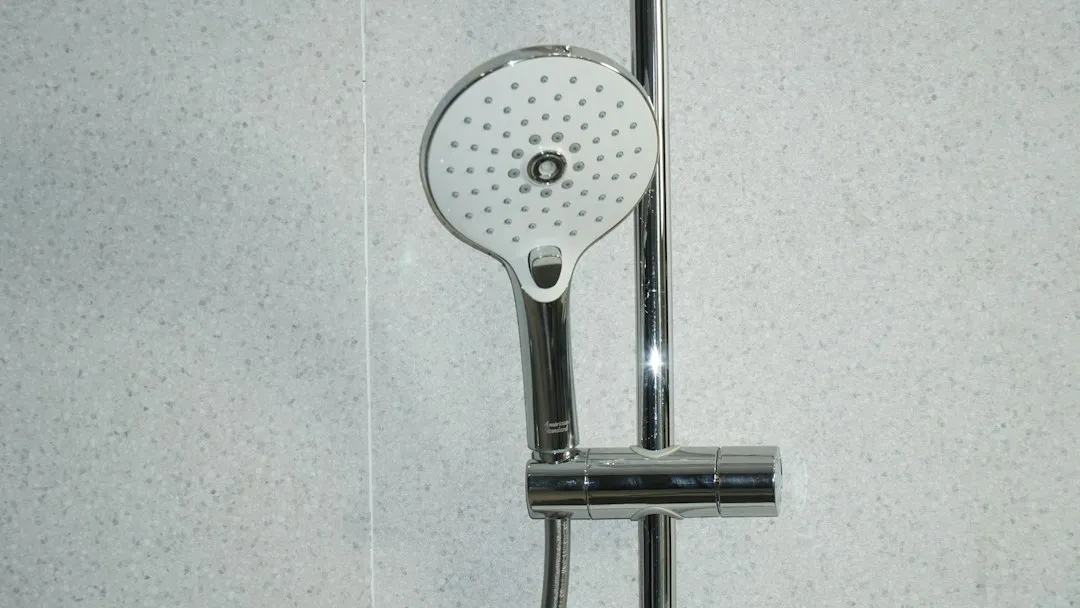
If the shower jets spray sideways, it is almost always limescale in the holes.
Clean taps and shower in 10 minutes
Unscrew the tap aerator or the shower head. If it is stiff, protect it with a cloth before using a spanner.
Leave it in a glass of cleaning vinegar for a few hours or overnight.
Scrub with an old toothbrush and rinse with water.
Put it back on and let the water run for a moment.
If the shower head doesn't come off, you can wrap it in a bag of vinegar held on with a rubber band. Avoid abrasive products on chrome fittings.
The water heater: the one that suffers most
Limescale settles at the bottom of the tank and on the heating element. The appliance uses more energy to heat the same amount, makes noises and its working life is shortened. Internal cleaning, checking the anode and replacing valves or heating elements are best left to a professional. Nor is it a good idea to set the water heater hotter than necessary: at higher temperatures, limescale forms faster. Follow the manufacturer's instructions.
Plumber's tip: if your water heater is many years old and already noisy, ask whether it is worth cleaning or replacing. Sometimes the repair costs almost as much as a new, more efficient one.
Water softener or limescale filter
Water softener
Limescale filter
What it does
Reduces the hardness of the water for the whole home
Protects a specific appliance or outlet
Who it is for
Homes with high consumption or a lot of limescale problems
Protecting the water heater, washing machine or a tap
Maintenance
Topping up salt and regular servicing
Change the cartridge as per the manufacturer
Space
Needs space and a drain connection
Very compact
The choice depends on consumption, space and budget. If you are unsure, we can help you assess it when we check your water heater or boiler.
Frequently asked questions
Is limescale bad for your health?
Limescale mainly affects installations and appliances. For questions about drinking water quality, check the information from your water company.
How often should aerators and shower heads be cleaned?
With hard water, every few months or as soon as you notice the stream losing force or going crooked.
Water heater noisy or not heating enough?
We inspect and repair water heaters and boilers in Valencia and nearby towns, and tell you whether it is worth repairing or replacing.
Quick answer. Before the rainy season, clean the drains on terraces and in courtyards, check that downpipes and gutters are not blocked and that drainage chambers drain properly. During a storm, if water comes back up through the drains on the lower floors, stop using washing machines and showers and tell the property manager. If people are at risk, follow Civil Protection instructions and call 112.
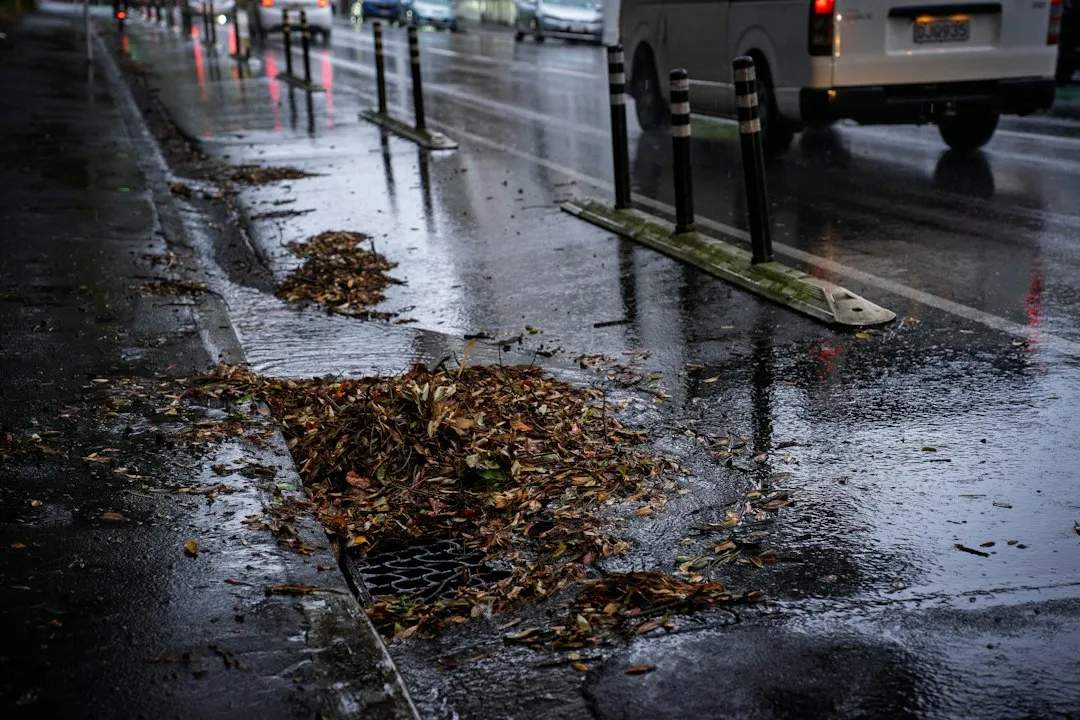
In Valencia we know it well: in autumn, as much rain can fall in one afternoon as falls in a month elsewhere. In those hours, every drain, downpipe and drainage chamber in the building has to take a huge amount of water at once. A handful of leaves on a terrace or a drainage chamber full of mud is enough for water to get into a home or come back up through a ground-floor shower. Most of these problems can be avoided with a half-hour check before it rains.
☐ Terrace and balcony drains free of leaves, soil and plastic. Pour in a bucket of water and check it drains quickly.
☐ Roof gutters and downpipes free of blockages and loose joints.
☐ Drainage chambers in the courtyard and entrance free of mud and with the cover in place.
☐ Terrace pots and furniture moved away from the drains.
☐ Garages and basements: clean grates and, if there is a sump pump, check that it works.
A clean drain clears in minutes what a blocked one turns into a swimming pool.
Area by area: what can go wrong
Area
Typical fault
Prevention
Terrace or balcony
Blocked drain, water comes in under the door
Clean the drain and grate
Roof
Blocked gutter or downpipe overflowing down the facade
Check before autumn
Light well
Drain or drainage chamber overwhelmed, water on the ground floor
Clean drainage chamber and clear drain
Ground floor
Water coming back up through showers and drains
Check the sewer pipe and main drainage chamber
Garage or basement
Overwhelmed grates, water getting in
Clean the grates and check the pump
During the storm
If water comes back up through the drains, stop using washing machines, showers and toilets and ask the neighbours to do the same.
Switch off the electricity in flooded areas if you can do so without stepping in water.
Do not go down into garages or basements if water is coming in.
Follow official warnings and, if people are at risk, call 112.
Plumber's tip: safety comes first. No drain is worth anyone climbing onto a roof or going down into a basement during a storm. Whatever can't be done safely can wait until it has passed.
Afterwards: what to check
New stains on ceilings and walls, especially on the top floors and next to downpipes.
Drainage chambers with mud or debris washed in by the water.
Drains that now empty more slowly or smell.
Photos of the damage for the insurance, before cleaning up.
In a residential building, the most effective approach is to include this check in regular maintenance. If a main blockage appears after the rain, see our guide on the blocked downpipe.
Frequently asked questions
How often should drainage chambers and downpipes be checked?
At least before the rainy season and after heavy rain. A maintenance plan helps you not to forget.
Who is responsible in a residential building?
Main downpipes and drainage chambers are usually communal elements, so the association normally organises it through the property manager. Drains on private terraces are usually each owner's responsibility.
Get your building checked before it rains
We inspect and unblock downpipes, drains and drainage chambers in Valencia and nearby towns.
Quick answer. Turn off all taps and appliances that use water and look at the meter. If it keeps moving, or the reading changes after one or two hours with no one using water, you have a leak. The first thing to rule out is a cistern that doesn't close: it is the most common cause and the easiest to fix.
A hidden leak doesn't announce itself with a jet of water. It shows up as a bill that doesn't add up, a stain that appears slowly or the sound of running water at three in the morning. And in the meantime the water keeps escaping, day and night, soaking whatever is around it. With this guide you can find out for yourself in a few minutes.
Your water bill goes up even though your habits have not changed.
The sound of running water in walls or pipes with everything turned off.
Damp patches that slowly grow on walls, ceilings or skirting boards.
Paint that bubbles or plaster that crumbles.
A musty or mouldy smell in a particular spot.
A wooden floor that swells or tiles that move.
Lower pressure in taps and the shower for no apparent reason.
Useful tip in Valencia: the app from Global Omnium, the company that manages water in València and its metropolitan area, can send you alerts when it detects excessive or continuous consumption on your meter. If the account is in your name, it is worth activating.
Before opening up walls, the first step is to narrow down where the water is escaping.
The water meter test, step by step
Turn off all the taps and check that the washing machine, dishwasher and water heater are not running.
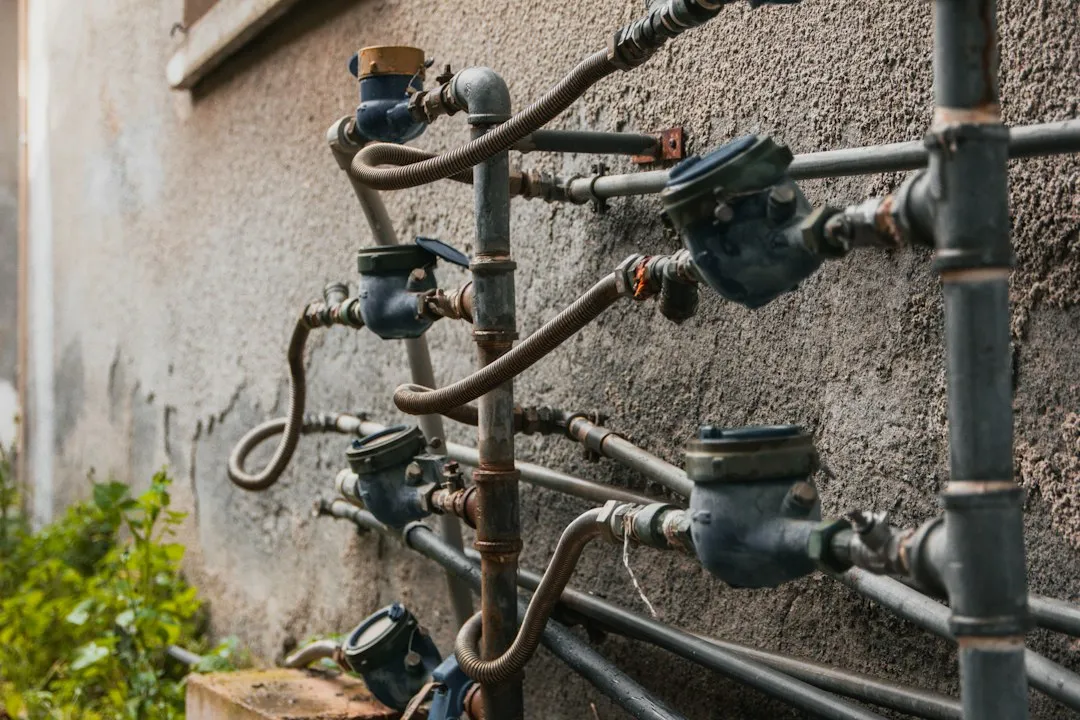
Take a photo of the meter reading. Also look at the small wheel or indicator: if it is turning, water is already being used.
Wait one or two hours without using any water. Overnight, before going to bed and when you get up, is ideal.
Compare the reading with the photo.
Result
What it means
The reading doesn't change
There is no leak in your home's installation
It changes, but stops when you close your home's stopcock
The leak is inside your home
It keeps changing with the stopcock closed
The leak is between the meter and your stopcock
First of all, the cistern test
Put a few drops of food colouring in the cistern tank, don't flush and wait a few minutes. If the colour appears in the bowl, the cistern is losing water continuously. It is usually a mechanism or seal that costs little to replace.
Where leaks hide
Location
Typical clue
Cistern
Water running into the bowl without it being used
Flexible hoses under the basin and sink
Swollen or stained wood in the cabinet
Concealed pipe
Stain on the wall on the other side of the bathroom or kitchen
Under the floor
Loose tiles or an area of floor that is colder or damp
Water heater
Drops under the appliance or at the safety valve
Plumber's tip: a damp patch is not always a leak. It can also be condensation, rainwater getting in or rising damp from the ground. The meter test tells you whether water is escaping from the installation.
When to call a plumber
If you have ruled out cisterns and taps and the meter is still moving, or if the damp keeps spreading, it is time to call. Before breaking anything open, leak detection narrows down the area so walls are only opened where necessary. If the damp affects a neighbour or is next to a downpipe, the source may not even be in your home: see what to do if the leak comes from above.
Frequently asked questions
Does insurance cover a hidden leak?
Many home insurance policies cover water damage and some also cover locating and repairing the leak. It depends on your policy: check the terms with your insurer.
Can a leak be found without breaking anything?
In many cases the area can be narrowed down without opening anything, although it depends on the installation. We explain what is possible before doing any work.
Meter still turning?
We find the leak before opening anything up and repair it in Valencia and nearby towns.
Quick answer. If water comes up through the drains on the lower floors or several neighbours hear gurgling at the same time, the blockage is almost certainly in the downpipe. Ask everyone not to use washing machines or showers and tell the property manager. The main downpipe is usually a communal element, so the association normally pays; if a specific neighbour caused the blockage, the association can claim the cost from them.
A blocked downpipe is one of the most unpleasant faults in a residential building: it affects everyone at once, the ground-floor neighbour suffers most and it almost always happens at the worst moment, on a Sunday afternoon with every washing machine running. The good news is that it is easy to recognise and quick to fix if you act in the right order.
Water comes out of the ground-floor shower or tray when other neighbours use water
In the downpipe or sewer pipe, below that floor
Gurgling and smells in several homes at once
In the downpipe or its ventilation
The courtyard or entrance drainage chamber overflows
In the sewer pipe or main drainage chamber
When the sewer pipe or drainage chamber is blocked, water finds its way out at the lowest point in the building.
What to do while the plumber is on the way
Spread the word in the building: no washing machines, dishwashers, showers or flushing until it is sorted. A message in the neighbours' group chat works.
Tell the property manager or the president: this is a fault affecting the whole building.
Protect the ground-floor home: covering the shower drain with a plug and something heavy helps stop water coming back up.
Don't pour caustic soda or chemical drain cleaners into a main downpipe: they don't reach the blockage and can damage old pipes.
Take photos of the damage for the building's insurance.
What blocks a downpipe most
Wet wipes, even those labelled “flushable”: they don't break down like paper.
Cooking oil and grease, which solidify and trap everything else.
Building debris: plaster, cement or paint poured down the toilet during renovation work.
Cotton buds, hair and sanitary towels.
Who pays for the unblocking and the damage
The building's main downpipe is usually considered a communal element and the association is obliged to maintain it. So the usual arrangement is for the association to pay for the unblocking and repair, and for its insurance to cover the damage in the homes.
Two common exceptions: if it is shown that a specific neighbour caused the blockage (building debris, for example), the association can claim the cost from them. And the branch pipe connecting each home to the downpipe is usually treated as a private installation, although this depends on the association's rules and on the case.
Plumber's tip: if blockages happen every few months, the problem is not just what gets flushed. There is usually too little fall, a displaced joint or a very old downpipe. Unblocking again and again costs more than having it inspected properly once.
A schedule so it doesn't happen again
When
What to do
Always
Notice in the entrance: what not to put down the toilet and sink
Before autumn
Check drainage chambers, drains and rainwater downpipes before heavy rain
During renovation work
Ask the contractor not to pour building debris down the drains
Every year
Inspection of the drainage system as part of a maintenance plan
In an emergency, yes. Afterwards it is best to inform the property manager so the association can deal with payment and, if applicable, the insurance.
Does the whole downpipe have to be replaced?
Not necessarily. It depends on its condition, the material and whether the blockages keep coming back. If it is made of fibre cement and asbestos is suspected, it must not be cut or handled without following the applicable regulations.
Blocked downpipe in your building?
We unblock downpipes, sewer pipes and drainage chambers in Valencia and nearby towns, and prepare the quote for the owners' meeting.
Quick answer. Tell the upstairs neighbour to turn off their stopcock, protect anything that could get wet and take dated photos. Who pays depends on where the source is: if the leak comes from their home's installation, that owner is responsible (usually through the third-party liability cover on their insurance); if it comes from a communal downpipe or riser, the association is responsible.
It usually starts the same way: a yellowish shadow on the bathroom ceiling that wasn't there yesterday, a drop falling on the basin or paint that bubbles. What you do in the first hour decides whether it stays a stain or ends with a plaster ceiling on the floor and a month of paperwork with the insurer. This guide puts it in order for you.
Go upstairs and knock on the door. Ask them to turn off their main stopcock. If no one is in, tell the president or the property manager: sometimes there are shut-off valves for each home on the landing or next to the meters.
Switch off the electricity in that area if the water is falling near a light, a socket or a false ceiling with spotlights. Don't touch anything electrical that is wet.
Put a bucket down and move anything valuable: furniture, rugs, electronic devices, papers.
Take photos and a short video of the ceiling, the drip and the damage. A video of the drip in action is gold for the loss adjuster.
If the ceiling is bulging, don't pierce it yourself or stand underneath it: plaster soaked with water is heavy and can fall.
In a building, water can travel through several floors before it appears: the stain is not always directly below the source.
How to tell where the water is coming from
When and how it drips tells you a lot. This table does not replace a diagnosis, but it helps you explain the problem and avoid blaming the wrong person:
What you notice
Likely source
What to do
It only drips when the neighbour showers or uses the bath
Drain, trap or sealing of their shower or bath
Ask them not to use it until it has been checked
The stain grows even when no one is using water
Supply pipe, which is always under pressure
Turn off their stopcock and call now
Damp next to the wall of the light well or downpipe shaft
The building's communal downpipe or riser
Tell the property manager
It only appears when it rains
Water getting in through a terrace or roof, not a pipe
Tell the association or the owner of the terrace
If the source is not clear, leak detection avoids opening up ceilings and walls blindly. It also helps the insurers reach agreement sooner.
Who pays in each case
The leak is in the flat above
A pipe in their bathroom, a washing machine or a toilet. The owner of that home is responsible. Usually their home insurance covers third-party damage under the liability cover, and your insurance repairs your home and then claims from the other company.
The leak is in a communal element
The building's main downpipe, riser or water column. The association is responsible, as it must maintain those elements, and its building insurance normally steps in.
The cases that cause disputes
The section connecting each home to the downpipe, terraces for private use or very old installations. Here the association's rules, the policies and the specific case decide. If there is a dispute, consult the property manager or a lawyer.
Plumber's tip: don't repaint the stain until the leak has been repaired and the ceiling is dry. If you paint too early, the damp comes back through and you also lose the evidence of what happened.
How to report it to the insurer without wasting time
Call your insurer the same day and note down the claim number.
Ask the neighbour for their insurer's details and policy number.
Keep the photos, the video and any emergency invoices.
Ask the plumber for a short report on the source of the leak: it is the first thing the loss adjuster will ask for.
If the neighbour doesn't answer or won't cooperate
Tell the president or the property manager and put it in writing. Spain's Horizontal Property Act requires owners to allow the repairs the building needs to be carried out in their home. In the meantime, keep documenting how the damage develops.
Mistakes that make the repair more expensive
Waiting to see if it stops on its own. A pressurised pipe won't stop; it just soaks more of the ceiling.
Breaking open walls without knowing where the leak is. It multiplies the work and the cost.
Not taking photos before clearing up. Without evidence, the loss adjuster only sees the final state.
Painting straight away. The stain comes back and the mould stays inside.
Frequently asked questions
Do I have to wait for the loss adjuster before repairing?
The leak must be stopped as soon as possible so the damage doesn't get worse. What is worth waiting for is the repair of the finishes: check with your insurer first and keep photos of the initial condition.
What if the upstairs neighbour is a tenant?
Tell both the tenant and the owner. Who is responsible and which insurance steps in depends on the source of the leak and each party's policies.
How long does a wet ceiling take to dry?
It depends on the material, how much water it has absorbed and the ventilation. The important thing is not to close it up or paint until it is dry inside, not just on the surface.
Water coming through from the flat above right now?
We find the source and stop the leak in Valencia and nearby towns, 24 hours a day. We give you a report on the source for your insurer.