
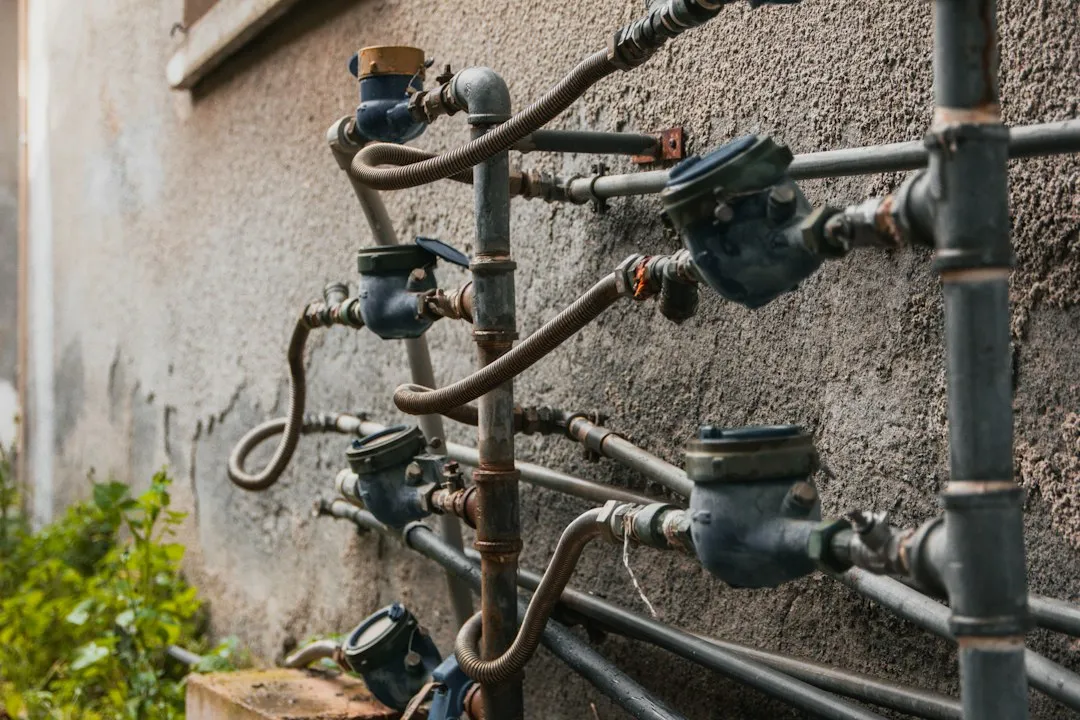
Quick answer. Turn off all taps and appliances that use water and look at the meter. If it keeps moving, or the reading changes after one or two hours with no one using water, you have a leak. The first thing to rule out is a cistern that doesn't close: it is the most common cause and the easiest to fix.
A hidden leak doesn't announce itself with a jet of water. It shows up as a bill that doesn't add up, a stain that appears slowly or the sound of running water at three in the morning. And in the meantime the water keeps escaping, day and night, soaking whatever is around it. With this guide you can find out for yourself in a few minutes.
- Seven signs of a leak you cannot see
- The water meter test, step by step
- Where leaks hide
- When to call a plumber
Seven signs of a leak you cannot see
- Your water bill goes up even though your habits have not changed.
- The sound of running water in walls or pipes with everything turned off.
- Damp patches that slowly grow on walls, ceilings or skirting boards.
- Paint that bubbles or plaster that crumbles.
- A musty or mouldy smell in a particular spot.
- A wooden floor that swells or tiles that move.
- Lower pressure in taps and the shower for no apparent reason.
Useful tip in Valencia: the app from Global Omnium, the company that manages water in València and its metropolitan area, can send you alerts when it detects excessive or continuous consumption on your meter. If the account is in your name, it is worth activating.
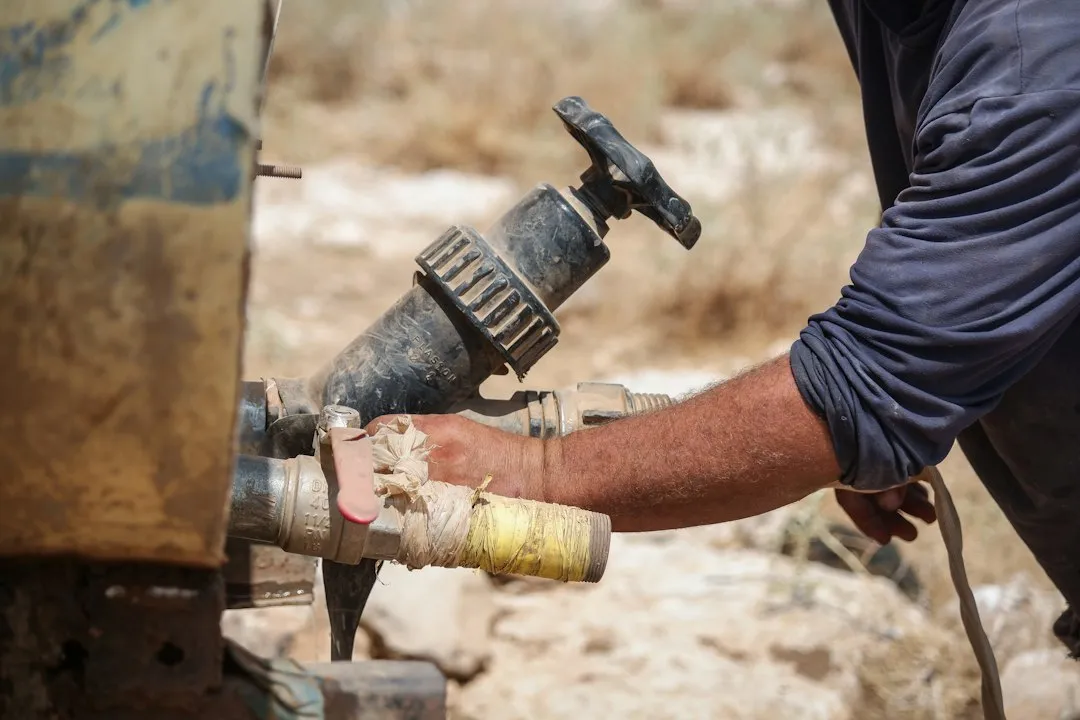
The water meter test, step by step
- Turn off all the taps and check that the washing machine, dishwasher and water heater are not running.
- Take a photo of the meter reading. Also look at the small wheel or indicator: if it is turning, water is already being used.
- Wait one or two hours without using any water. Overnight, before going to bed and when you get up, is ideal.
- Compare the reading with the photo.
| Result | What it means |
|---|---|
| The reading doesn't change | There is no leak in your home's installation |
| It changes, but stops when you close your home's stopcock | The leak is inside your home |
| It keeps changing with the stopcock closed | The leak is between the meter and your stopcock |
First of all, the cistern test
Put a few drops of food colouring in the cistern tank, don't flush and wait a few minutes. If the colour appears in the bowl, the cistern is losing water continuously. It is usually a mechanism or seal that costs little to replace.
Where leaks hide
| Location | Typical clue |
|---|---|
| Cistern | Water running into the bowl without it being used |
| Flexible hoses under the basin and sink | Swollen or stained wood in the cabinet |
| Concealed pipe | Stain on the wall on the other side of the bathroom or kitchen |
| Under the floor | Loose tiles or an area of floor that is colder or damp |
| Water heater | Drops under the appliance or at the safety valve |
Plumber's tip: a damp patch is not always a leak. It can also be condensation, rainwater getting in or rising damp from the ground. The meter test tells you whether water is escaping from the installation.
When to call a plumber
If you have ruled out cisterns and taps and the meter is still moving, or if the damp keeps spreading, it is time to call. Before breaking anything open, leak detection narrows down the area so walls are only opened where necessary. If the damp affects a neighbour or is next to a downpipe, the source may not even be in your home: see what to do if the leak comes from above.
Frequently asked questions
Does insurance cover a hidden leak?
Many home insurance policies cover water damage and some also cover locating and repairing the leak. It depends on your policy: check the terms with your insurer.
Can a leak be found without breaking anything?
In many cases the area can be narrowed down without opening anything, although it depends on the installation. We explain what is possible before doing any work.
Meter still turning?
We find the leak before opening anything up and repair it in Valencia and nearby towns.
Related: burst pipe at home: what to do · limescale in your water heater and taps.